Native Fruits, Native Roots

Grow Food, Feed Life, Restore Balance

We specialize in native fruiting plants that feed people and support wildlife. These plants play a vital role in restoring local ecosystems — and they taste amazing, too!

Why Native Plants Matter

Native plants evolved alongside our local insects, birds, and animals. That means they’re perfectly matched with native pollinators and wildlife. When you grow native fruits, you’re not just growing food — you’re planting habitat, rebuilding balance, and creating a future where humans and nature thrive together.

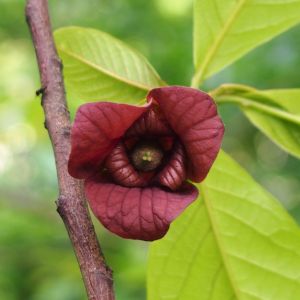
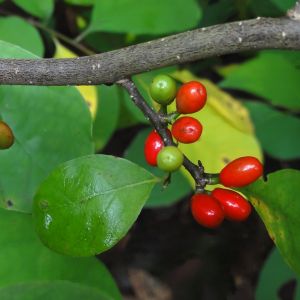
Many butterflies rely on very specific host plants to survive. Without pawpaw trees, the Zebra Swallowtail Butterfly (Eurytides marcellus) has nowhere to lay eggs. Without spicebush, the Spicebush Swallowtail Butterfly (Papolio troilus) disappears.

Each native plant you add helps rebuild connections between land, pollinators, and people. Ready to grow your own? Here are some native flowering, fruiting, and ground cover plants we love.

Native Flowering Plants We Love

Maypop (Passiflora incarnata) leaves and tendrils preserved in an herbarium press
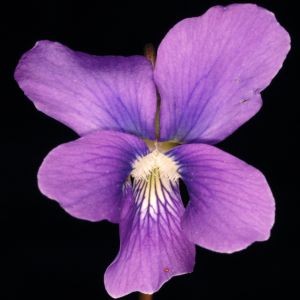
Common Blue Violet (Viola sororia) heart-shaped leaves and purple flower pressed in an herbarium press for native plant preservation
Ohio Goldenrod (Solidago ohioensis) stem and narrow leaves pressed in an herbarium press for native plant documentation

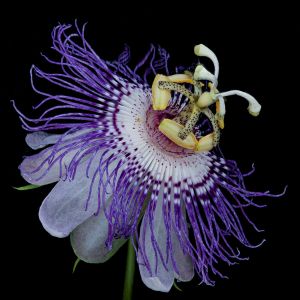
Maypop (Passiflora incarnata)

Common Violet (Viola sororia)

Ohio Goldenrod (Solidago ohioensis)

Native Plants We Love

Pawpaw (Asimina triloba) leaves pressed flat in an herbarium press for botanical preservation
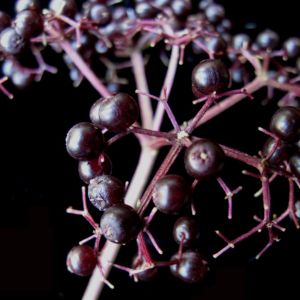
American Elderberry (Sambucus canadensis) compound leaves and stem segments pressed in an herbarium press
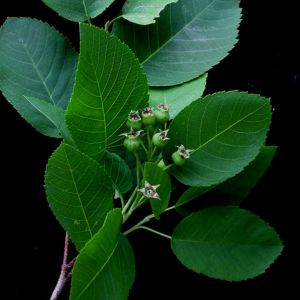
Allegheny Serviceberry (Amelanchier laevis) leaves and twigs pressed in an herbarium press for preservation

Pawpaw (Asimina triloba)

Elderberry (Sambucus canadensis)

Allegheny Serviceberry (Amelanchier laevis)

Spicebush (Lindera benzoin) leaves and stem segments pressed in an herbarium press for botanical preservation
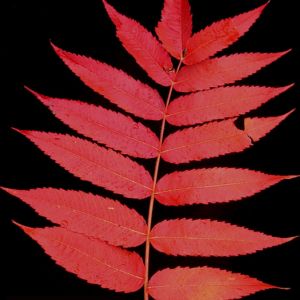
Staghorn Sumac (Rhus typhina) compound leaves and berries pressed flat in an herbarium press
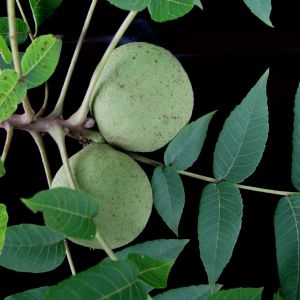
Black Walnut (Juglans nigra) compound leaves pressed in an herbarium press for botanical documentation

Spicebush (Lindera benzoin)

Staghorn Sumac (Rhus typhina)

Black Walnut (Juglans nigra)

Red Mulberry (Morus rubra) leaves pressed in an herbarium press for native plant preservation
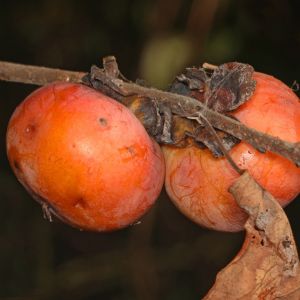
American Persimmon (Diospyros virginiana) leaves and twigs pressed in an herbarium press for preservation
Sassafras (Sassafras albidum) leaves with varied lobes pressed in an herbarium press for botanical preservation

Red Mulberry (Morus rubra)

American Persimmon (Diospyros virginiana)

Sassafras (Sassafras albidum)

Native Ground Cover Alternatives

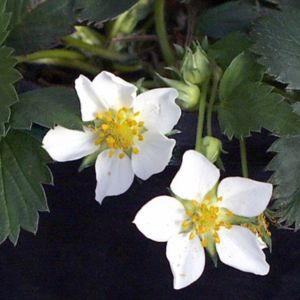
Wild Strawberry (Fragaria virginiana) trifoliate leaves and runners pressed in an herbarium press for native plant preservation
Creeping Phlox (Phlox subulata) flowering stems pressed in an herbarium press for native plant documentation
Wild Ginger (Asarum canadense) heart-shaped leaves pressed in an herbarium press for native plant preservation

Wild Strawberry (Fragaria virginiana)

Creeping Phlox (Phlox subulata)

Wild Ginger (Asarum canadense)

Virginia Creeper (Parthenocissus quinquefolia) five-part leaves pressed in an herbarium press
Golden Ragwort (Packera aurea) basal and stem leaves pressed in an herbarium press for native plant documentation
Foamflower (Tiarella cordifolia) heart-shaped leaves and flowering stem pressed in an herbarium press for native plant documentation

Virginia Creeper (Parthenocissus quinquefolia)

Golden Ragwort (Packera aurea)

Foamflower (Tiarella cordifolia)

Ready to Grow Native?

We offer live plants, seeds, and personalized guidance to help you create a native garden or edible landscape that supports life. Whether you’re planting one pot or a whole food forest, we can help. 
  • View plants available this season
  • Contact me for custom orders
  • Follow along on social media